Retro Hoppy Easter SVG Review
As a designer who spends half my life staring at stitch maps and the other half trying to convince clients that embroidery isn’t just for towels anymore, I approach every new digital asset with a mix of excitement and skepticism. When Retro Hoppy Easter SVG landed in my inbox, I didn’t just see another cute bunny graphic; I saw potential inventory for the upcoming spring rush. The market is saturated with generic pastel bunnies, so the question wasn’t whether this design was "cute," but whether it had the structural integrity and visual punch to survive the transition from screen to fabric.
I’ve been testing this file across various mediums—apparel, home goods, and small accessories—to give you a realistic breakdown of how it performs in real-world production. Whether you are an Etsy seller looking for your next bestseller or a hobbyist making a personalized gift, here is my practical assessment of using Retro Hoppy Easter SVG in your workflow.
First Impressions and Visual Personality
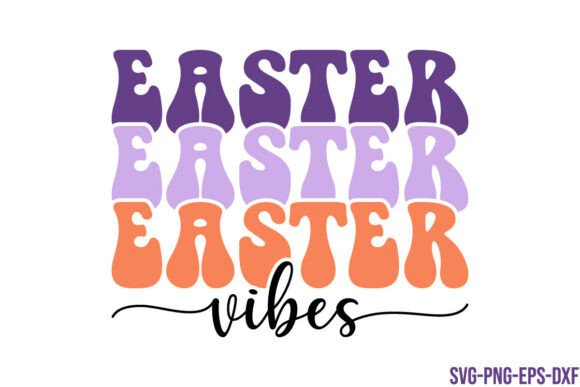
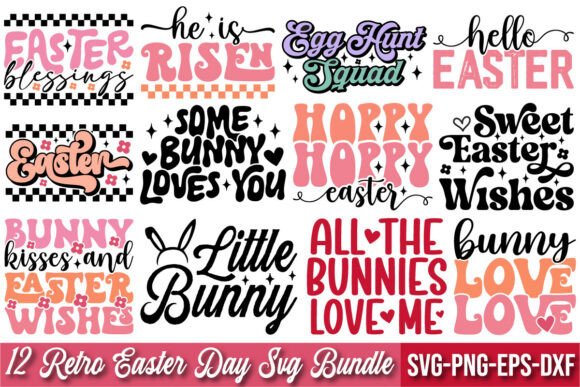
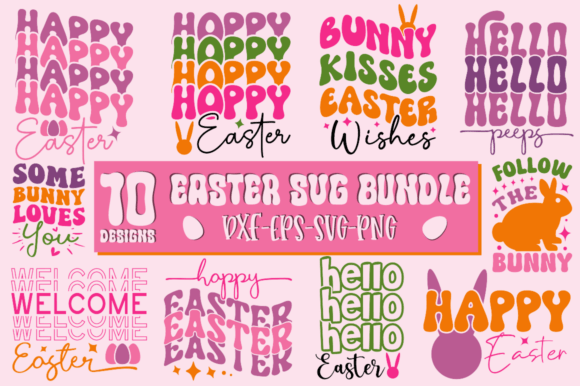
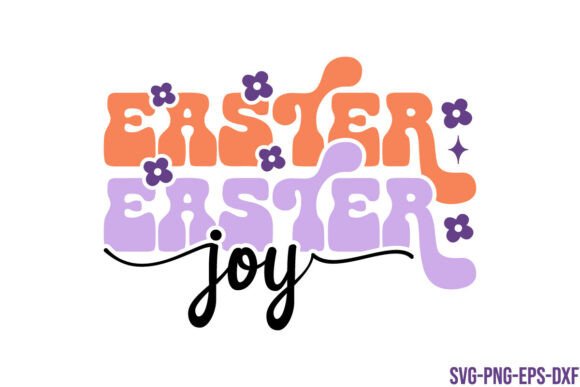
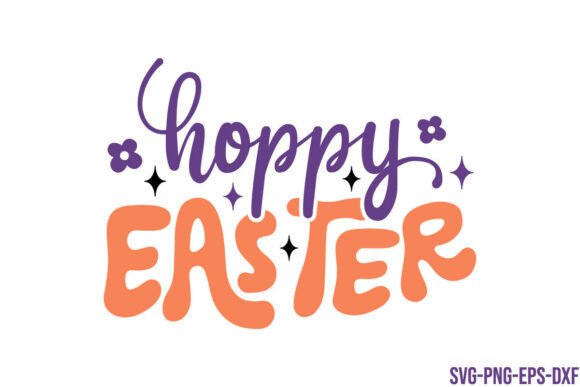
The moment you open the file, the aesthetic speaks for itself. This isn’t your typical soft, watercolor-style Easter clipart. The "Retro" descriptor is accurate; the design leans into bold lines, vintage typography cues, and a playful attitude that feels more suited for a cool boutique than a traditional church craft fair. The mood is energetic, nostalgic, and distinctly modern-vintage.
From a design perspective, the layout is clean. There is enough negative space to allow the eye to rest, which is crucial for embroidery. Too much detail in a single area can lead to puckering or thread breaks, while too little can look sparse on a garment. Retro Hoppy Easter SVG strikes a balance. It has enough character to stand alone as a focal point on a sweatshirt chest or a tote bag, yet it remains simple enough to be integrated into larger patterns or layered designs without overwhelming the viewer.
Real-World Application: Where It Shines
I put this design through its paces by imagining specific product scenarios. Here is where Retro Hoppy Easter SVG truly excels:
- Custom Apparel and Sweatshirts: The bold nature of the design translates beautifully to heavier fabrics. On a heather grey or olive green crewneck sweatshirt, the retro vibe pops. It works particularly well as a left-chest logo for a minimalist look or centered for a statement piece. The contrast against textured cotton blends helps maintain the integrity of the lines.
- Tote Bags and Canvas Goods: For the eco-conscious crafter, this design is a winner. Embroidering on canvas requires a sturdy design that won’t get lost in the weave. The strong outlines of Retro Hoppy Easter SVG provide that anchor. It turns a plain $5 tote into a $25 branded item instantly.
- Baby Items and Nursery Decor: While the style is retro-cool, it is not aggressive. It works surprisingly well for baby onesies or burp cloths, provided you scale it appropriately. The playful theme fits perfectly with modern nursery aesthetics that move away from pastels toward earth tones and muted colors.
- Holiday Gifts and Personalized Products: Because the design is thematic but not overly childish, it appeals to a broader age range. It makes for a thoughtful gift for teenagers or young adults who appreciate vintage aesthetics. Personalizing these items with names or dates adds significant value for handmade sellers.
Technical Considerations and Stitching Clarity
When converting a vector or raster image into a machine embroidery design, details matter. Retro Hoppy Easter SVG appears to be optimized for clarity, but there are nuances to consider when digitizing or using pre-digitized files.
Stitch Density and Fill Areas: If the design utilizes fill stitches for the bunny’s body or clothing, ensure the density is appropriate for the fabric weight. On thin fabrics like lightweight tees, heavy fills can cause show-through or distortion. Conversely, on thick fleece or denim, you want enough coverage to hide the fabric texture beneath. Always check the stitch direction if possible; consistent flow prevents unsightly ridges.
Satin Stitches and Edges: The outline of the design likely relies on satin stitches to define the shape. Satin stitches need to be tight enough to cover the underlying running stitch or fill, but not so tight that they pull the fabric. This design’s clean lines suggest it will produce sharp edges, which is essential for maintaining that crisp retro look.
Thread Color Contrast: The success of any embroidery project hinges on thread selection. A light yellow bunny on a white shirt will disappear. You need high contrast. I recommend pairing this design with mustard yellows, burnt oranges, deep teals, or classic blacks to enhance the retro feel. Avoid pastels unless the background fabric is significantly darker.
Where to Use With Caution
No design is universal. There are specific scenarios where Retro Hoppy Easter SVG might require adjustments or should be avoided:
- Small Hoop Sizes: If you are working with a 4x4 inch hoop or smaller, ensure the design scales down without losing critical details. Tiny text or fine decorative elements may become muddy or indistinguishable when reduced in size.
- Textured or Stretchy Fabrics: Materials like terry cloth, ribbed knits, or highly elastic spandex blends can distort stable designs. On stretchy fabrics, the tension must be carefully managed to prevent the design from warping after washing.
- Dense Stitch Areas on Thin Fabric: As mentioned, avoid placing dense fills on sheer or thin materials. This can lead to stiffness and discomfort, especially on garments worn close to the skin.
- Curved Surfaces: While caps and hats are popular, applying a flat, rectangular design to a curved surface can result in uneven stitching. Ensure the design is hooped correctly, possibly using a cap frame, and consider stretching the fabric slightly during digitizing to account for curvature.
Impact on Product Value and Brand Consistency
For small business owners and Etsy sellers, the perceived value of a product is directly linked to the quality of the design. A cluttered, low-resolution, or poorly proportioned graphic screams "amateur." In contrast, Retro Hoppy Easter SVG offers a professional polish.
Using a cohesive, well-designed asset helps build brand consistency. If your shop focuses on vintage-inspired, handcrafted goods, this design aligns perfectly with that identity. It signals to customers that you pay attention to aesthetics and quality. Furthermore, the versatility of the design allows you to create a product line—matching mugs, stickers, and apparel—that looks unified and intentional. This cohesion increases customer trust and encourages repeat purchases.
Practical Designer Notes Before You Start
Before you commit to a full production run or list an item for sale, follow these steps to ensure success:
- Test on Scrap Fabric: Never skip this step. Stitch the design on the exact fabric type you plan to use. Check for puckering, thread breaks, and color accuracy.
- Check Stabilizer Compatibility: The right stabilizer is just as important as the thread. Use cut-away stabilizer for knitwear and tear-away for wovens, ensuring the fabric lies flat and doesn’t shift during stitching.
- Review in Black and White: Convert your mockup to grayscale to check contrast levels. If the design lacks definition in black and white, it will struggle in color.
- Confirm Licensing: If you intend to sell finished products, verify the commercial license terms associated with Retro Hoppy Easter SVG. Some files are for personal use only, while others allow unlimited commercial sales. Clear licensing protects your business from legal issues.
- Create Printable Mockups: Before investing in materials, generate high-quality mockups. Show the design on different backgrounds and products to gauge customer appeal. This helps you refine your marketing strategy before production.
In conclusion, Retro Hoppy Easter SVG is a versatile, stylish, and practical choice for embroiderers looking to capitalize on the spring season. Its retro charm offers a fresh alternative to traditional Easter motifs, appealing to a broad audience of crafters and consumers alike. By paying attention to technical details like stitch density and fabric choice, you can transform this digital asset into a high-value, professionally finished product that stands out in a crowded marketplace.