Retro Camera Icon SVG Graphic Design
As a designer who spends half her life staring at stitch density charts and the other half trying to convince clients that embroidery has its place in modern branding, I approach every new digital asset with a healthy dose of skepticism. The market is flooded with clip art, but few designs actually hold up when translated from vector lines to thread. I recently evaluated the Retro Camera Icon SVG Graphic Design, not just as a static image, but as a potential candidate for real-world production. My goal was to determine if this design possesses the structural integrity and visual charm required for professional embroidery projects, or if it remains relegated to the "nice-to-have" folder on my desktop.
First Impressions: Mood and Visual Personality
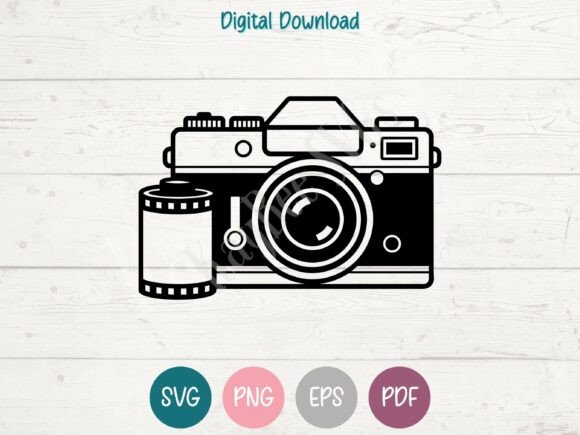
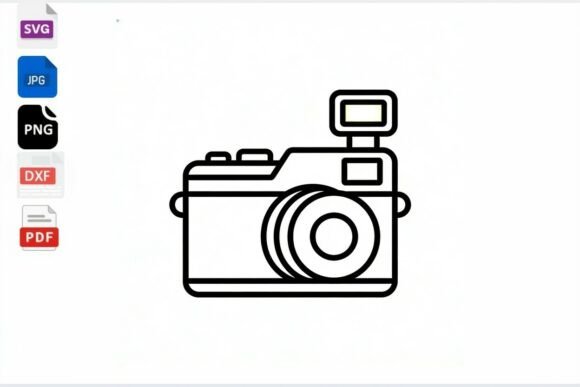
The moment you load the file into your digitizing software, the aesthetic speaks for itself. This isn’t a hyper-realistic, photo-quilted depiction of a vintage Leica; it is a stylized, graphic interpretation. That distinction is crucial for embroiderers. The design leverages clean geometry and bold silhouettes, which immediately suggests a retro-modern vibe. It feels nostalgic without being cluttered, making it an excellent choice for brands that want to evoke creativity, photography, or analog nostalgia without overwhelming the viewer with intricate details.
From a layout perspective, the icon is balanced. It doesn’t feel top-heavy or skewed, which is often a problem with camera-themed graphics where the lens can dominate the composition. Here, the body of the camera and the viewfinder are proportioned to create a cohesive shape. For a craft business owner or an Etsy seller, this balance translates directly to product appeal. It looks intentional, polished, and ready to be placed on a garment or accessory without needing significant manual adjustment before stitching.
Real-World Application: From Screen to Stitch
I imagine this design thriving in specific niches. It is not a one-size-fits-all solution, but rather a targeted tool for creative entrepreneurs. Let’s look at how it performs in actual project scenarios.
Custom Apparel and Streetwear
One of the strongest use cases for the Retro Camera Icon SVG Graphic Design is on custom apparel, particularly sweatshirts and t-shirts aimed at photographers, influencers, or creatives. Placed over the heart or centered on the back of a heavyweight cotton sweatshirt, the graphic pops. The clean lines of the icon work beautifully with standard fill stitches, creating a solid block of color that contrasts sharply against the fabric. It adds a layer of personality to the garment without looking like a cheap logo print.
Accessories and Bags
I also see high potential here for tote bag designs. A canvas tote embroidered with this camera icon instantly communicates the user’s hobby or profession. Because the design is relatively compact, it fits perfectly within standard hoop sizes, allowing for precise placement on the front panel of a bag. It serves as a subtle badge of identity—professional yet approachable. Similarly, for embroidered patches intended for denim jackets or backpacks, the distinct shape ensures recognition even from a distance.
Personalized Gifts and Baby Items
In the realm of personalized gifts, this design bridges the gap between sentiment and style. Imagine a baby embroidery project on a muslin blanket or a onesie for a parent who is a photographer. The soft, rounded edges of a well-digitized version of this icon are gentle enough for baby items while still retaining its graphic punch. It transforms a basic gift into a keepsake, increasing the perceived value of the handmade product.
Technical Considerations and Potential Pitfalls
While the concept is strong, no design is immune to technical challenges. As an experienced reviewer, I must highlight where caution is necessary. The success of this project depends heavily on execution.
- Small Hoop Sizes: If you attempt to stitch this in a very small hoop (under 4x4 inches), detail loss becomes a risk. Tiny elements, such as the shutter button or lens rings, may merge together if the stitch count is too high relative to the size. Always test at final scale.
- Fabric Texture and Stability: This design relies on clean lines. On highly textured fabrics like bouclé or thick chenille, the definition will soften. Conversely, on thin or stretchy fabrics, the tension might cause puckering if the stabilizer isn’t chosen correctly. A cut-away stabilizer is likely necessary for garments, while tear-away might suffice for rigid items like aprons or kitchen towels.
- Thread Color Contrast: The visual impact of the Retro Camera Icon SVG Graphic Design is tied to contrast. On dark fabric, light threads will define the shape clearly. On light fabric, darker threads are essential. If you choose low-contrast combinations (e.g., grey on white), the design will disappear. Test your thread colors in black and white mockups to ensure the silhouette remains legible.
- Dense Stitch Areas: While the design appears simple, the digitization choices regarding stitch density will dictate the final feel. Too much density in the fill areas can make the embroidery stiff and heavy, ruining the drape of a t-shirt or the comfort of a cap. Ensure the underlay stitches are optimized to prevent fabric distortion.
Strategic Value for Sellers and Makers
For those selling finished goods, the Retro Camera Icon SVG Graphic Design offers more than just decoration; it offers brand consistency. It appeals to a demographic that values aesthetics and craftsmanship. When customers see a well-executed embroidery on a product, they perceive higher quality. This design supports that perception by looking professional and deliberate.
It also enhances giftability. Whether it’s a holiday embroidery project for a client or a boutique item displayed at a craft fair, the theme is universally understood. It requires no explanation. A customer sees the camera, understands the connection to photography or memory-keeping, and connects emotionally with the product. This clarity reduces friction in the buying process.
Furthermore, for digital product sellers, this asset serves as a versatile design component. It can be used in printable mockups to showcase potential merchandise, helping you visualize how your offerings might look in the real world before you commit to inventory. It acts as a reliable design asset for commercial embroidery projects where speed and reliability are key.
Final Verdict and Practical Advice
After reviewing the Retro Camera Icon SVG Graphic Design, I find it to be a solid, practical choice for embroidery designers and small business owners. It strikes a good balance between artistic flair and technical feasibility. It is not overly complex, which minimizes production time, yet it is distinctive enough to stand out in a crowded marketplace.
To get the best results, follow these practical steps:
- Test on Scrap Fabric: Never run a new design directly onto a final product. Use scrap pieces of the same fabric type to check tension and stability.
- Review Stitch Density: Inspect the digitization closely. Ensure that small details are not overcrowded with stitches.
- Confirm Licensing: Before using this for commercial purposes, verify the license terms. Ensure you have the right to sell finished items created with this design asset.
- Experiment with Threads: Don’t limit yourself to standard polyester. Try metallics or variegated threads to add texture, but be mindful of how they interact with the satin stitch edges.
In conclusion, this design earns its place in the toolkit of any maker looking to add a touch of retro cool to their handmade products. It is a dependable, stylish option that respects both the machine’s capabilities and the customer’s desire for quality.