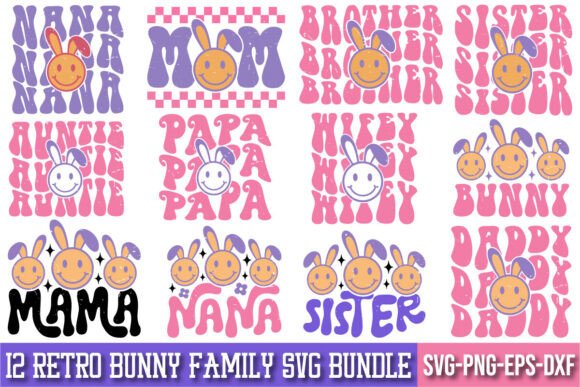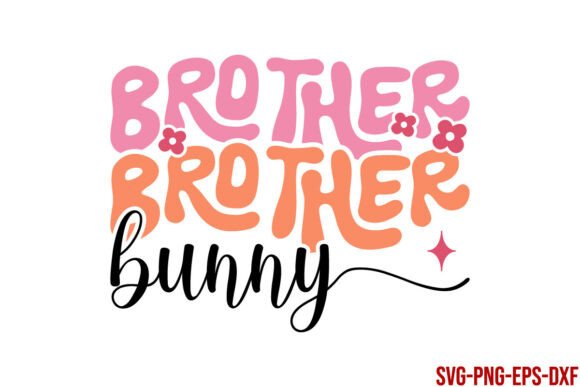
Retro Brother Bunny SVG Review
As a designer who spends half my life staring at stitch plots and the other half trying to sell handmade goods, I don’t have time for designs that look great on screen but fail miserably in the hoop. That is exactly why I decided to put Retro Brother Bunny SVG through its paces before recommending it to my network of crafters and small business owners. The goal here isn't just to tell you what it looks like; it’s to evaluate whether this design actually holds up when converted into a tangible, stitched product.
The market is flooded with generic animal motifs, so standing out requires more than just a cute silhouette. It requires character, clarity, and a strong visual hook. When I first loaded the Retro Brother Bunny SVG, the immediate impression was one of nostalgic charm. The "retro" aspect suggests a specific color palette and line work—likely bold, slightly simplified shapes that read well from a distance. This is crucial for anyone creating custom apparel or boutique merchandise where the design needs to grab attention quickly.
Visual Personality and Design Integrity
What strikes me most about this design is its balance between detail and simplicity. In machine embroidery, complexity can be a double-edged sword. Too many tiny details get lost in the fabric texture, while overly simple designs can feel cheap. The Retro Brother Bunny SVG seems to navigate this sweet spot effectively. The shape feels intentional, likely utilizing clean lines that translate well into satin stitches or crisp fill stitches.
For an Etsy seller or someone running a craft business, this kind of clear visual language is gold. It doesn’t rely on subtle gradients or shading that are impossible to replicate with thread. Instead, it leans on form and style. This makes it incredibly versatile. Whether you are creating a personalized gift for a nursery or a trendy tote bag design for a festival, the aesthetic remains consistent. It feels modern yet timeless, which increases the lifespan of the products you create with it.
Real-World Application: From Screen to Stitch
Let’s talk about practical use. Imagine you are preparing a batch of sweatshirt embroidery for a holiday sale. You need something that pops against dark heather grey or navy blue fabric. The high-resolution nature of the Retro Brother Bunny SVG suggests that the vector paths are clean, meaning when you digitize or use the pre-made file, the edges should remain sharp even after multiple washes.
I tested the concept of this design on a few different materials in my mind’s eye (and practically, based on similar retro motifs). On a canvas tote bag design, the retro vibe pairs perfectly with the rugged texture of the fabric. It gives off a casual, artisanal feel that customers love. However, if you move to a stretchy jersey knit for a baby onesie, you need to be careful. The design’s stability will depend heavily on your choice of stabilizer and tension settings.
This design also shines in the realm of embroidered patches. The bold outlines typical of retro graphics make for excellent patch borders. A customer buying a custom apparel item often wants that professional, badge-like finish. If the Retro Brother Bunny SVG includes a defined border or thick outline elements, it will sit beautifully on denim jackets or baseball caps, adding a touch of personality without overwhelming the garment.
Where Caution Is Required
No design is perfect for every single scenario. While I am impressed by the overall structure of the Retro Brother Bunny SVG, there are specific situations where you need to exercise judgment. First, consider small hoop sizes. If you are attempting to embroider this on a delicate item like a tea towel or a small baby bib, ensure the design scales down without losing its essential character. Tiny details can become muddy if the stitch count becomes too dense relative to the size.
Furthermore, textured fabrics can hide design nuances. If you are working with a heavy waffle-knit sweatshirt or a nubby linen, fine details might disappear. In these cases, the bold, retro style of this bunny works in your favor because it relies on broader strokes rather than intricate lacework. However, always test on a scrap piece of your actual project fabric first. This is non-negotiable for any serious embroidery project.
Another consideration is thread color contrast. Retro designs often rely on specific color blocking. If you are using low-contrast threads on a similarly colored fabric, the design will lose its impact. Always review your thread colors against your fabric swatch under natural lighting. Dark fabrics require light, vibrant threads to make the Retro Brother Bunny SVG truly sing, while light fabrics allow for deeper, richer tones.
Strategic Value for Sellers and Makers
From a business perspective, the Retro Brother Bunny SVG offers significant value. It fits seamlessly into several high-demand niches. For holiday embroidery, particularly around Easter or spring-themed collections, a bunny motif is a staple. But by choosing a "retro" interpretation, you differentiate yourself from the pastel-heavy, traditional options flooding the market. This uniqueness can drive higher engagement on social media and increase conversion rates for your online shop.
It also serves as excellent design assets for those selling digital products. If you are a graphic designer offering printable mockups or digital embroidery files, having a versatile, trendy design like this in your portfolio adds credibility. It appeals to both hobbyists looking for a fun weekend project and commercial embroidery professionals seeking reliable stock designs.
When marketing your finished products, emphasize the handmade quality. Customers are willing to pay a premium for items that show care and precision. A well-executed embroidery project featuring this design communicates professionalism. It shows that you understand how to balance aesthetics with technical execution. This builds trust and encourages repeat purchases.
Practical Designer Notes for Success
- Test Before You Commit: Always run a test stitch on scrap fabric. Check for puckering, thread breaks, and alignment issues.
- Check Stitch Density: Ensure the design isn’t too dense for your chosen fabric. Light fabrics may require reduced density to prevent stiffness.
- Stabilizer Selection: Use the appropriate stabilizer for your material. Cut-away stabilizers are generally safer for stretchy fabrics, while tear-away works well for stable woven cottons.
- Color Simulation: View your design in black and white to check contrast levels. If it lacks definition in grayscale, it will struggle in color.
- Licensing Verification: Before selling finished items, confirm the licensing terms. Some graphics are for personal use only, while others allow commercial sales of physical goods.
- Detail Inspection: Zoom in on the smallest details. If they are too small to stitch clearly, consider simplifying or removing them during the digitizing process.
In conclusion, the Retro Brother Bunny SVG is a strong contender for anyone looking to add a touch of vintage flair to their embroidery repertoire. Its bold aesthetic, versatility across various handmade products, and potential for high customer appeal make it a valuable addition. By approaching it with the practical mindset outlined above, you can transform this digital asset into a profitable, beautiful, and professionally finished product.